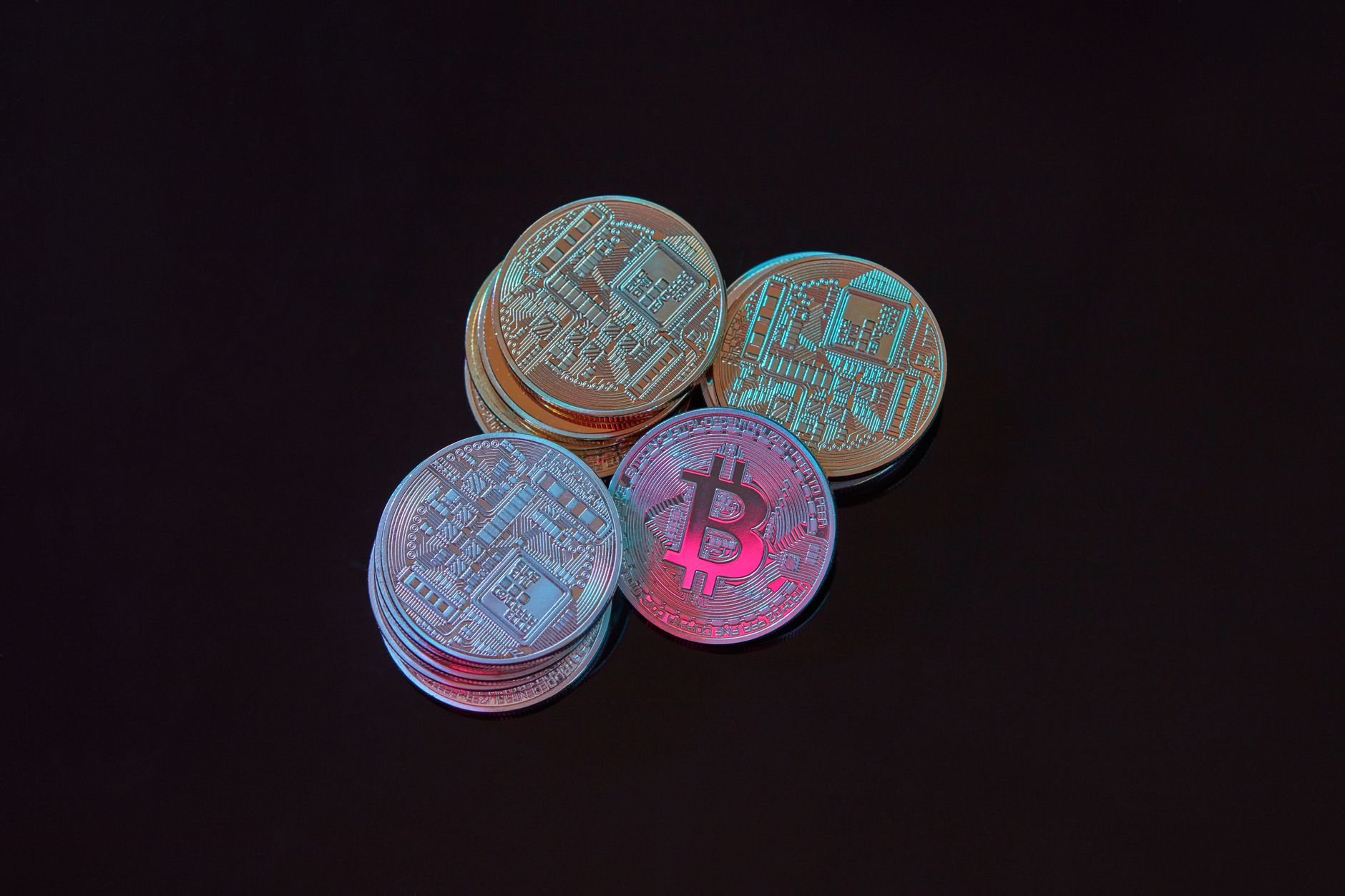
What Is Bitcoin? How It Works, Explained Simply
Bitcoin is a digital money that no bank, government, or company controls. That one sentence is the whole revolution — and also the source of all the confusion, fear, and hype around it.
In 2026, Bitcoin is a $1.5+ trillion asset that institutions hold, countries debate, and everyday people buy for the first time every single day. Here is how it actually works, without the jargon.
The problem Bitcoin solves
Before Bitcoin, digital money had a flaw: it could be copied. A digital file can be duplicated infinitely, so digital payments needed a trusted middleman (a bank) to keep track of who owns what.
Bitcoin’s invention solved this with a clever combination: a public ledger + cryptographic signatures + an incentive system. No middleman required.
How it works, in three pieces
1. The blockchain (the ledger). Every Bitcoin transaction is recorded in a public, permanent list called the blockchain. It is not stored in one place — thousands of computers around the world each hold a copy. To change history, you would have to change most copies simultaneously, which is computationally impossible.
2. Keys (the ownership). You own Bitcoin through a pair of cryptographic keys:
- A public address (like an account number — safe to share)
- A private key or seed phrase (like a password — never share, ever)
Whoever holds the private key controls the coins. That is why wallet security is the #1 lesson in Bitcoin.
3. Mining (the trust system). “Miners” use computing power to package transactions into blocks and secure the network. In exchange, they are rewarded with new Bitcoin. This turns the network’s security into a real economic incentive — attacking it costs more than it is worth.
Why does Bitcoin have value?
The honest answer: because millions of people agree it does. But it is backed by real properties:
- Scarcity. Only 21 million Bitcoin will ever exist. Over 19 million are already mined, and the reward halves roughly every four years. No one — not even its creator — can print more.
- Decentralization. No government can freeze it, no company can devalue it by issuing more.
- Portability and finality. You can send $1 million across the world in under an hour with fees under a few dollars, and the transaction cannot be reversed.
- Network effect. The largest and oldest crypto network, with the most security spending, developers, and adoption.
Whether that adds up to “digital gold” or “the emperor’s new clothes” depends on who you ask — and that debate is the source of Bitcoin’s legendary volatility.
The risks you must know
- Volatility. Bitcoin has dropped 50%+ multiple times. It can do it again tomorrow. Never invest money you need in the next five years.
- Self-custody risk. If you lose your seed phrase, your coins are gone forever. If a scammer gets it, so are they.
- Regulation. Governments are still deciding how to treat it. Rules can change quickly.
- No refunds. Transactions are final. There is no chargeback, no “customer support” for a mistaken transfer.
How to start safely (the 60-second version)
- Buy a small amount on a reputable exchange (Gate.io, Coinbase, Kraken)
- Enable 2FA and a strong password before depositing
- Start with money you can afford to lose
- For anything you plan to hold long-term, move it to your own wallet (hardware recommended)
- Dollar-cost average weekly — do not try to time the bottom
FAQ
Is Bitcoin anonymous? No. It is pseudonymous — transactions are public, and exchanges link your identity to your address.
Is Bitcoin a good investment? It has been the best-performing asset of the last decade, with gut-wrenching drawdowns along the way. It is a high-risk, high-reward allocation — most advisors suggest keeping it to a small percentage of your portfolio.
Who created Bitcoin? An anonymous person or group under the pseudonym Satoshi Nakamoto in 2009. Their identity remains unknown.
Can Bitcoin be hacked? The network itself has never been successfully hacked in 17 years. Exchanges and individual wallets are hacked regularly — which is why self-custody matters.
Bottom line
Bitcoin is the first money in history that no one controls: scarce, borderless, and verifiable by anyone. It is also volatile, risky, and permanently unforgiving of mistakes. Understand the technology, secure your keys, invest only what you can afford to lose — and let time do the rest.
Educational content only, not financial advice.