Bitcoin & Crypto
3 articlesAbout this category
Short answer: Bitcoin is a public transaction record that no single company or government operates, and its coins exist because thousands of independent computers agree on that record. It has value because people are willing to hold and spend it for reasons of scarcity, portability, and independence from any issuer. Whether that value holds is a judgement you have to make yourself.
Who it’s for: readers who are curious about crypto but tired of hype, plus anyone who already owns some and wants to understand what they are actually holding.
What gives Bitcoin its value?
Bitcoin has two properties that matter more than any chart. The supply is capped and the issuance schedule is public, so no committee can decide to print more. The ledger is copied across thousands of machines, so there is no single server to shut down or single company to fail. On top of that sits demand: some buyers treat it as a long-term store of value, some use it to move money across borders without a bank, and some buy it as speculation. The price reflects the balance of those buyers against sellers at any moment, which is why it can fall 30 percent in a month without anything breaking. Nothing in the network promises a return, and there is no earnings report behind the price. Bitcoin does not pay interest, and it does not produce cash flow. Its case rests on scarcity, portability, and adoption, all of which can grow or stall.
How do you judge a crypto project before you buy?
Read the supply schedule first. If the issuer can mint more at will, or if a small team holds most of the supply, you are buying a claim on their decisions rather than a scarce asset. Then find out who controls the network: a chain that a company can pause or reverse is a different product from one that nobody controls. Look at the actual use. A token needs a reason to be bought and held beyond the hope that someone else pays more. Check the liquidity: thin markets mean your exit moves the price against you. Most importantly, separate the technology from the marketing. Every failed project in the last decade shipped a clean-looking website, a roadmap, and a community full of enthusiasm. What they lacked was a working product, verifiable code, or a reason for the token to exist. Ask what the token does that a normal database could not do, and if the answer is unclear after five minutes of reading, treat that as information.
What separates a real project from a warning sign?
| What to check | A reassuring sign | A warning sign |
|---|---|---|
| Supply | Fixed or publicly scheduled issuance | The team can mint more, or holds most of it |
| Control | Many independent operators, no single switch | One company can pause or reverse transfers |
| Code | Public, reviewed, and changed slowly | Closed source, or rewritten on a promise |
| Token purpose | Needed to use the network | Exists mainly to be sold |
| Liquidity | Traded on several venues with real volume | Only quoted on the issuer’s own platform |
| Promises | Limits stated plainly | Guaranteed returns, urgency, referral pressure |
| Regulation | Clear disclosure of the legal position | The legal entity is hard to identify |
A table cannot tell you whether a price will rise, and nothing on this page is advice. What it can do is shorten the list of things you have to trust. Everything in the left column is checkable in about ten minutes, and the right column is where most losses start. If a project depends on you not reading the fine print, that dependence is the product.
Where can you verify this yourself?
- Bitcoin whitepaper: the eight-page original, still the clearest description of how the network works.
- Ethereum: what is Ethereum?: the second-largest network explained by its own foundation.
- IRS digital assets guidance: how US tax rules treat buying, selling, and holding.
- CFTC customer advisories on virtual currency: the regulator’s warnings about leverage and fraud.
Start with these guides
- What Is Bitcoin?: the plain-English foundation, from blockchain to why it has value
- Bitcoin Halving Explained: why the supply schedule matters and what changes after each halving
- How to Buy Bitcoin Safely in 2026: the complete first-purchase walkthrough
- Spot Crypto Scams: How to Avoid Them: the patterns scammers reuse, and how to spot them early
- How to Buy Crypto: The Complete Beginner’s Walkthrough: the long version, from account to wallet
Every claim here is sourced and verified. No price predictions dressed up as facts.
Reviewed by Hasan Şentürk, FinanceTrekker editor. Last updated: 1 October 2026.
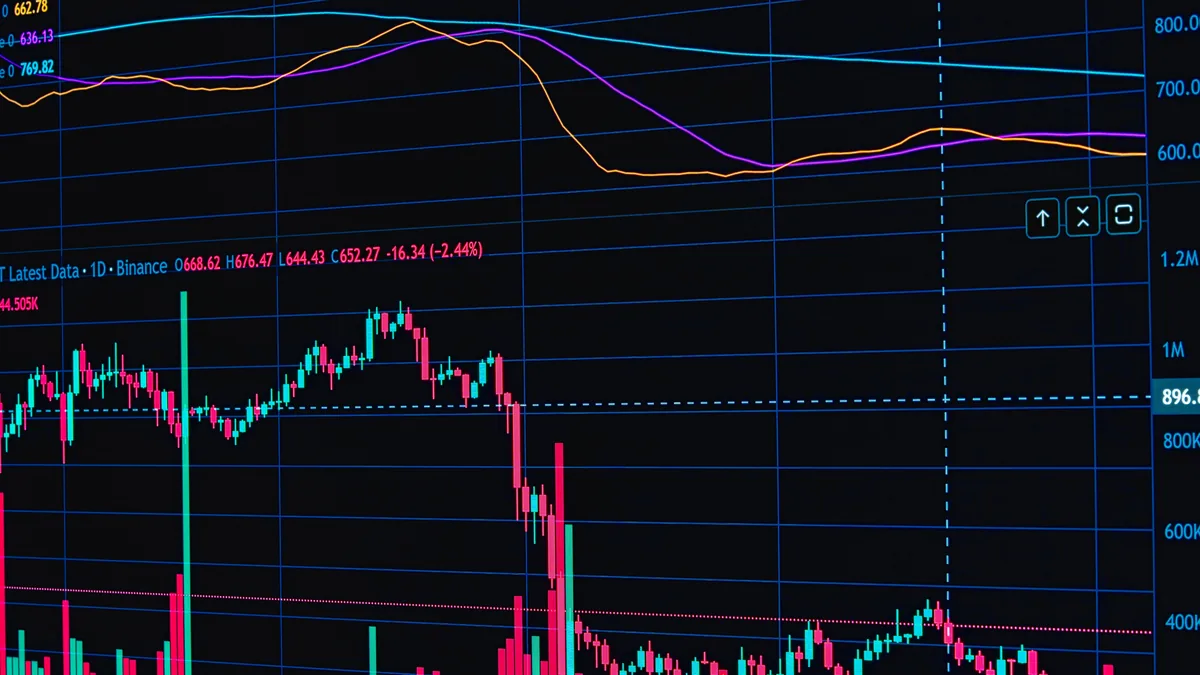
SEC Approves the First 3x Leveraged Bitcoin and Ether ETFs
The SEC approved six 3x leveraged commodity ETFs, including the first two tied to bitcoin and ether futures. Here is how daily-reset leverage can behave.
Bitcoin Halving Explained: What It Is and Why It Matters
Bitcoin halving cuts mining rewards in half every four years. Here's how it works, what the 2028 halving means, and how it could affect your portfolio.
What Is Bitcoin? How It Works, Explained Simply
Bitcoin explained in plain English: what it is, how the blockchain works, why it has value, and the risks you should know before buying.