News & Market
13 articlesAbout this category
Short answer: treat market news as a claim to verify, not a signal to act on. Find who published it, find the primary document behind it, and check what the price did before the headline reached you. Most of what moves your portfolio is slower than the feed suggests.
Who it’s for: investors who want context instead of hot takes, and readers who want to understand a central bank decision or a regulatory filing without a finance degree.
What actually moves market prices?
Prices move when the balance of buyers and sellers changes, and the reasons are usually more ordinary than the headlines suggest. In crypto, the largest short-term moves come from leverage: when positions are liquidated, the forced buying or selling pushes price further than the original news justified. Macro conditions set the background. When interest rates rise, cash and bonds compete with risk assets, and speculative money is the first to leave. Regulation changes what institutions are allowed to hold, so a filing that looks technical can move billions. Large holders moving coins to or from exchanges changes the available supply on order books. An exchange failure removes liquidity and trust at the same time. None of this is a forecast. It is a list of the forces worth checking before you accept an explanation for a move.
How do you check a market story before you believe it?
Four checks separate reporting from noise. First, find the primary document. A rate decision comes from the central bank’s own statement, a rule change from the regulator’s filing, and a hack claim from the company’s official notice. If a story never links to one, treat it as a rumour. Second, check the timestamp and the timezone. A “breaking” post is often a reaction to something published hours earlier, and crypto trades every day, so a weekend headline may be pricing something that happened on Friday. Third, confirm the price on a second venue. One exchange can show a wick that no other market saw, and screenshots of those wicks travel far. Fourth, ask who benefits from you acting on it. Promotional posts, paid placements, and posts pushing a specific coin or platform belong in a different category from reporting, and they usually do not say so.
Which numbers in a market story actually matter?
| Number | What it tells you | Where to verify it |
|---|---|---|
| Spot price | The last traded price, not what you would get for a large order | Two or more exchanges, compared side by side |
| 24-hour volume | How much actually changed hands, and whether a move had participation | The exchange’s own public market data |
| Market share between venues | Whether one platform, or one pair, is driving the quote | Aggregator pages that list per-venue volume |
| Funding rate on perpetual futures | Whether leveraged traders are paying to stay long or short | The derivatives venue’s published contract data |
| Net flows into spot funds | Whether regulated money is arriving or leaving | The fund issuer’s published daily flow tables |
| Central bank statement | The path of interest rates, which sets the backdrop for every risk asset | The central bank’s own release |
| Regulatory filing or rule | What institutions may hold, list, or offer | The regulator’s document, not a summary of it |
A number without a source is a talking point. When you read a market story, the useful part is rarely the headline figure. It is the direction of the underlying flow and whether the move was driven by real buyers or by forced selling. A price rise on thin volume tells you almost nothing, while a slow drift higher on rising volume after a policy change tells you money is being repositioned. Read two independent sources for the same fact before you treat it as established, and treat every specific price target in a headline as someone’s opinion, because that is what it is.
Where can you verify this yourself?
- CFTC customer advisories on virtual currency: the US derivatives regulator’s warnings about platforms, schemes, and leverage.
- US Treasury press releases: primary documents on sanctions, stablecoins, and financial policy.
- FBI Internet Crime Report (IC3): annual complaint data, including what crypto fraud losses actually look like.
- Chainalysis Crypto Crime Report: industry data on illicit on-chain activity and where funds move.
Start with these guides
- Bitcoin’s Biggest Weekly Gain in History: What It Means: a historic week, explained calmly
- Fed Rate Decisions Explained: what the Fed actually does and why markets react
- SEC Regulation and Crypto Assets: the rulebook that is being written
- Bitcoin ETF Flows in August 2026: What It Means: why regulated money matters more than retail chatter
- Mortgage Rates Cross 7 Percent: the household side of the same rate story
Every claim here links to a primary source. No anonymous “analysts say”.
Reviewed by Hasan Şentürk, FinanceTrekker editor. Last updated: 1 October 2026.

US Government Moves $1B in Bitcoin: Sale or Custody?
The U.S. government moved roughly $1 billion of seized bitcoin to Coinbase Prime over three nights. Here is why a transfer is not a sale, and what would confirm one.
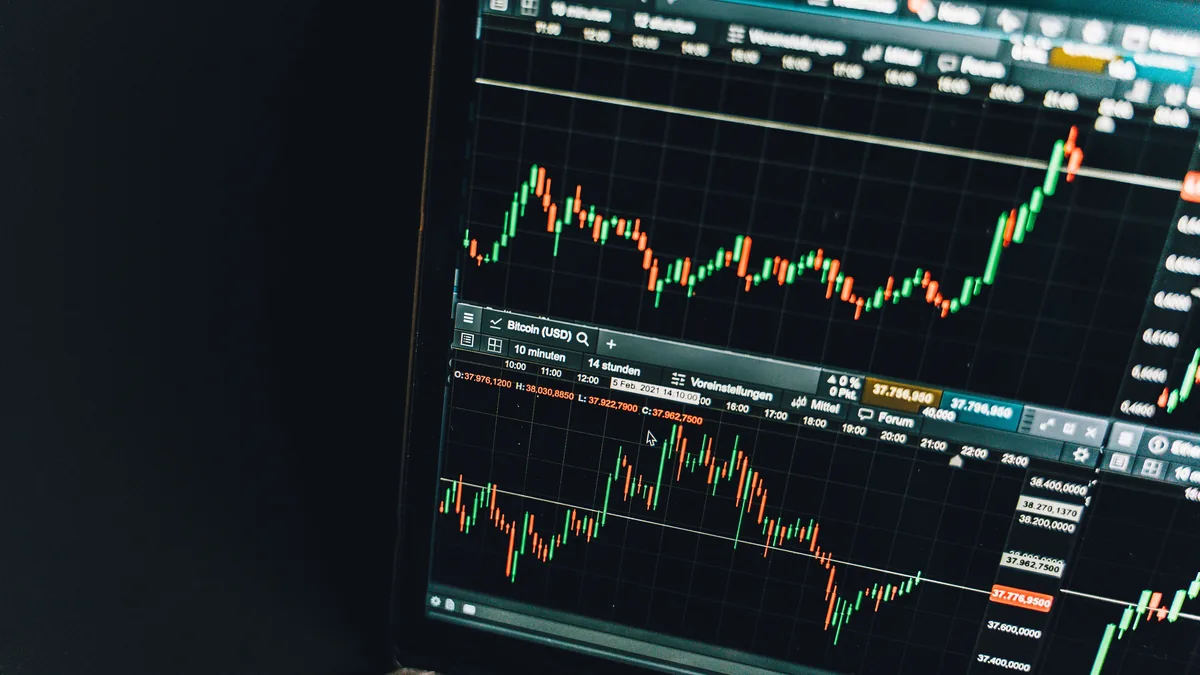
FinCEN Drops Crypto Wallet Reporting and Mixing Rules
FinCEN withdrew its 2020 unhosted wallet reporting rule and a 2023 crypto mixing measure on October 6, 2026. Here is what changed and what still applies.

SEC Proposes Crypto Custody Rules for Advisers and Funds
The SEC proposed a custody framework for registered advisers and funds that adds self-custody and state trust companies. Here is what the 60-day comment window changes.

Fed Stablecoin Rules Move Forward: What Holders Should Know
The Federal Reserve opened two stablecoin rulemakings for public comment until November 30. Here is what they would change for USDC, USDT, reserves and yield.

Bitget Hack: Stolen XRP Cannot Be Frozen, but USDT Can
Bitget's $387.5 million breach left 103 million XRP in attacker wallets. Native XRP cannot be frozen, while Circle and Tether blocked $320,000.

Mortgage Rates Cross 7% as Treasury Yields Hit 19-Year High
The average 30-year mortgage reached 7.03%, above 7% for the first time since January 2025, after the 10-year Treasury yield hit a 19-year high.

SEC Opens Tokenized Stock Trading, With a 5-Year Test Run
The SEC's Innovation Exemption lets tokenized US stocks trade on gated venues for five years, with symbol caps, issuer objections and no synthetic tokens.
Treasury Doubles Long-Dated Bond Buybacks: What It Means
The Treasury is doubling its long-dated bond buybacks to $4 billion per operation starting September 9. Here's what it means for yields, bitcoin and your savings.
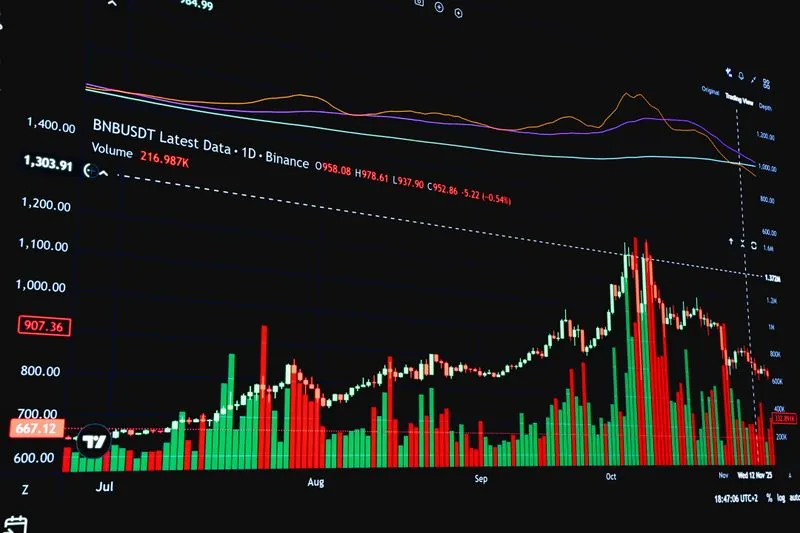
Bitcoin Slides Below $78K as Rate-Hike Odds Jump: What It Means for Your Portfolio
Bitcoin fell below $78,000 after Fed Chair Kevin Warsh's hawkish Jackson Hole speech pushed September rate-hike odds to about 60%. Here's what it means for your portfolio.
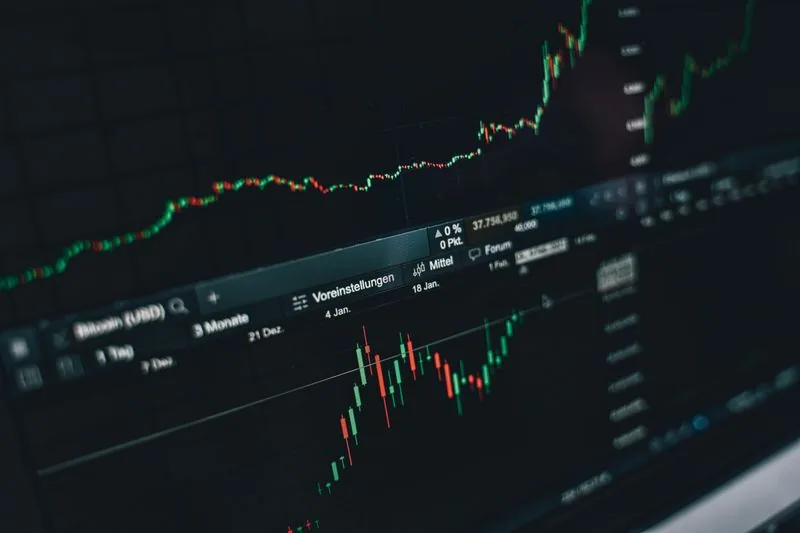
Bitcoin ETFs Post Their Best Month of 2026: What It Means
US spot Bitcoin ETFs pulled in over $3 billion in August 2026, their best month of the year. Here's what surging bitcoin ETF inflows mean for you.
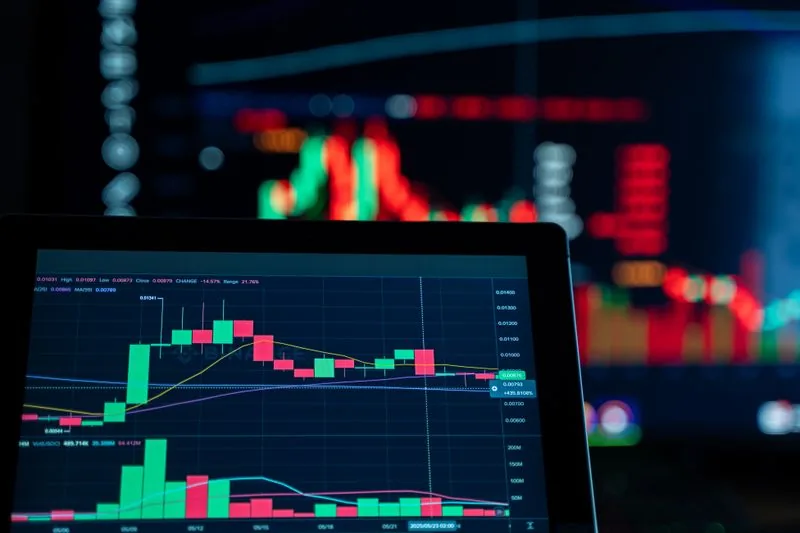
Bitcoin's Biggest Weekly Gain in History: What It Means for You
Bitcoin just posted its largest weekly dollar gain ever, up 22.7% to $77,387. Here's what drove the rally and what to watch next.

SEC's Regulation Crypto Assets: What It Means for You
The SEC's Regulation Crypto Assets proposal gives token issuers new fundraising paths and a safe harbor. Here's what the 60-day comment window means for you.
Federal Reserve Interest Rate Decisions: How They Affect Your Money
How Fed rate decisions ripple through your mortgage, credit cards, savings, and crypto, and what to do when rates move.