How to Buy / Exchange Guides
4 articlesAbout this category
Short answer: to buy crypto safely, pick a platform that is registered somewhere you can complain to, pass its identity checks, fund the account by bank transfer or card, buy a major coin such as Bitcoin or Ethereum, then move anything you plan to keep into a wallet where you control the keys. A first purchase takes about twenty minutes. The guides below cover each step, including the parts that go wrong.
Who this is for: first-time buyers, anyone switching platforms, and anyone checking whether the exchange they already use is safe.
What is the safest way to buy crypto for the first time?
The safest route is the one that keeps a record and keeps you in control. Buy through a platform that is registered as a virtual asset service provider in a jurisdiction with a working complaints process, and pay with a bank transfer you can trace rather than an irreversible transfer from a stranger. Complete the platform’s identity verification instead of looking for a way around it, because verified accounts are the ones that can be recovered when something breaks. After the purchase, decide where the coins live. Small amounts you plan to trade can stay on the exchange. Anything you intend to hold for months belongs in a wallet where you hold the recovery phrase, because an exchange balance is a claim on a company, not a coin in your pocket.
Which platform type fits your situation?
| Platform type | Who it suits | Who holds the coins | ID checks | Where the cost hides | Speed |
|---|---|---|---|---|---|
| Centralized exchange | Most first buyers, ongoing trading | The exchange, until you withdraw | Required | Trading fee plus withdrawal fee | Minutes |
| Broker app | Buy-and-hold buyers who want simplicity | The broker | Required | Wider spread instead of a visible fee | Minutes |
| Peer to peer marketplace | Buyers without card or bank access | You, straight away | Required on most platforms | Price premium plus dispute risk | Hours |
| Decentralized exchange | Experienced users with an existing wallet | You | None | Network fee, which swings with congestion | Seconds to minutes |
The table is a starting point, not a ranking. A centralized exchange is the usual first stop because it accepts ordinary bank payments and gives you a support desk. A broker app is easier to use and often more expensive per coin. Peer to peer suits buyers in countries where cards are refused, but it puts you opposite another person, so escrow rules matter. A decentralized exchange removes the middleman and the identity check, which also removes the help you get when you send funds to the wrong address.
How do exchange fees add up?
Most platforms charge on four separate lines, and the cheap-looking one is rarely the whole bill. The trading fee is the percentage taken when you buy or sell. The spread is the gap between the price you see and the price you get, which is where “zero fee” apps make their money. The withdrawal fee is charged when coins leave the platform. The network fee is paid to the blockchain itself and rises when the chain is busy. To compare two platforms fairly, price the same purchase end to end, including the withdrawal you will eventually make, and read the published fee schedule rather than the marketing page. Our Gate.io review shows how this works on a live fee schedule.
What should you check before you trust a platform?
- Registration and complaints route. Find the licence or registration number, then find the regulator that lists it. If you cannot complain anywhere, you have no recourse.
- Withdrawal behaviour. Search for withdrawal delays and account freezes, not just for reviews.
- Two-factor authentication. Use an app or a hardware key rather than SMS, which is vulnerable to SIM swaps.
- Proof of reserves. A published reserve report is not a guarantee, but an exchange that refuses to publish anything tells you something.
- Support you can reach. Send a test question before you deposit a large amount and see how long a reply takes.
- A clear exit. Know how you would withdraw, and test it once with a small amount.
Where can you verify this yourself?
- FBI Internet Crime Report (IC3): the annual complaint data behind most crypto fraud reporting, published by the FBI.
- CFTC customer advisories on virtual currency: the US derivatives regulator’s warnings about platforms and schemes.
- Chainalysis Crypto Crime Report: industry data on illicit on-chain activity and how funds move.
- Bitcoin.org Getting Started: the practical basics of wallets, keys and first transactions.
Start with these guides
- How to Buy Bitcoin Safely in 2026: the complete first-purchase walkthrough, security included
- How to Buy Ethereum in 2026: the same clear process for ETH
- Gate.io Review 2026: Fees, Features and Is It Safe?: an honest exchange teardown, downsides included
- How to Buy Crypto: The Complete Beginner’s Walkthrough: the long version, from account to wallet
We review exchanges we have actually used, and we tell you the bad parts too.
Reviewed by Hasan Şentürk, FinanceTrekker editor. Last updated: 1 October 2026.
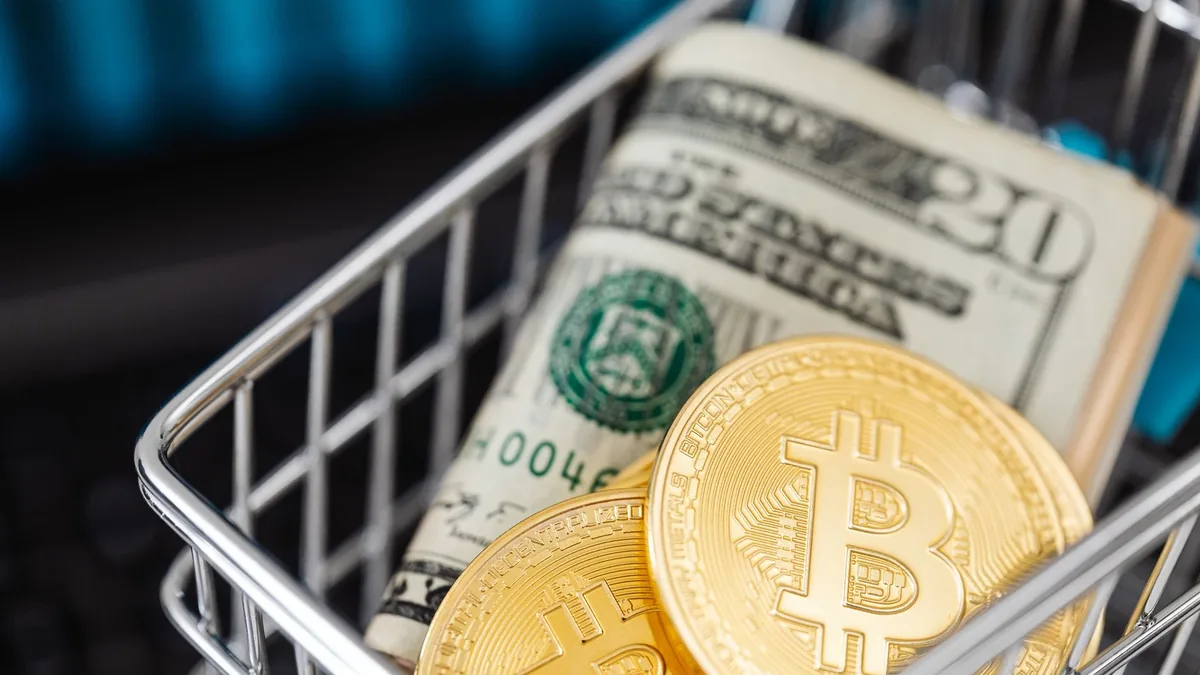
How to Buy Crypto in 2026: A Complete Step-by-Step Guide
How to buy crypto in 2026: choosing a regulated exchange, funding it cheaply, placing your first order, withdrawing to your own wallet, and the fees nobody mentions.
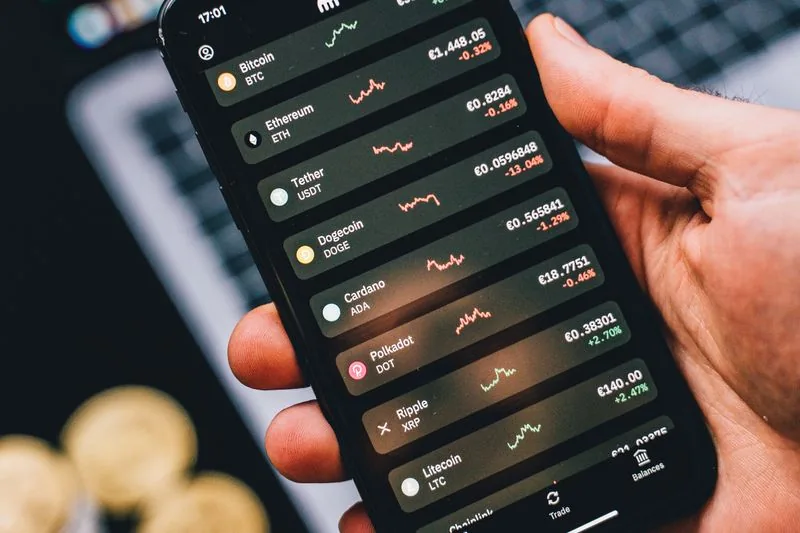
How to Buy Ethereum in 2026: A Step-by-Step Guide
Buy Ethereum safely in 2026: choosing an exchange, funding your account, placing your first order, and storing ETH securely.
How to Buy Bitcoin Safely in 2026
Learn how to buy Bitcoin safely in 2026, from choosing an exchange to securing your BTC with 2FA and a hardware wallet.
Gate.io Review 2026: Fees, Features, and Is It Safe?
An honest Gate.io review for 2026, covering fees, security record, new listings, and who should (and shouldn't) use it.