Investing
7 articlesAbout this category
Short answer: for most people starting out, the answer is a low-cost index fund or ETF bought automatically every month, held for years, inside a tax-advantaged account if one is available. The hard part is not picking the fund, it is keeping the monthly transfer running when the market is unpleasant. Everything below explains the mechanics so you can tell a real strategy from a sales pitch.
Who it’s for: beginners who want to start without gambling, and anyone tired of advice that only works in hindsight.
What actually grows your money over time?
Three things, in order of how much they matter. The amount you invest regularly, the number of years you stay invested, and the cost you pay along the way. Fund selection comes a distant fourth. A cheap broad fund that tracks a market index removes the guessing: you own a slice of hundreds of companies, one of them failing does not sink you, and you are not betting on a single manager staying clever. Compounding does the rest of the work, which is why the earliest years feel slow and the later years move quickly. Fees compound too, in the opposite direction: one percentage point of extra annual cost can quietly take a large bite out of a thirty-year result, and that cost is certain while the outperformance that supposedly justifies it is not.
How do you choose between the main options?
| Option | What it is | Who it suits | The cost to watch |
|---|---|---|---|
| Index fund | A pooled fund that tracks a market index | Most beginners, retirement accounts | Expense ratio |
| ETF | The same idea, traded like a share during the day | Investors who want intraday pricing and low fees | Expense ratio plus trading spread |
| Target-date fund | A fund that shifts from shares to bonds as your date approaches | Anyone who does not want to manage the mix | Slightly higher expense ratio |
| Individual shares | Direct ownership of a company | People who will research and can tolerate single-company losses | Concentration risk, not a fee |
| Bonds and bond funds | Lending money for interest | Money needed within a few years, and the calmer part of a portfolio | Interest rate risk |
| Robo-advisor | A managed portfolio built from cheap funds | Hands-off investors who want automatic rebalancing | Management fee on top of fund fees |
The table is a starting point, not a ranking. The line that matters most for a first account is the cost column, because it is the only one you can control with certainty. A target-date fund inside a workplace plan is often the simplest sensible default, and a broad index ETF is the usual choice outside one. Individual shares belong in a small, separate pot you are willing to lose, not in the money you are counting on.
What should a beginner set up first?
- Emergency fund. Three to six months of expenses in cash before any investing, so a bad month does not force you to sell at the worst time.
- Any employer match. If your workplace adds money when you contribute, that is an immediate return no fund can match.
- One cheap broad fund. Pick a total-market or large-market index fund and stop comparing after that.
- An automatic monthly transfer. The schedule removes the decision, which is where most plans die.
- A yearly check of fees and allocation, not a daily check of prices.
What are the most expensive mistakes?
Trading on news, chasing last year’s winner, paying for a fund that charges active-manager fees without active-manager results, and holding cash out of fear for years at a time. A less obvious one is investing money you will need within two or three years: a market drop at the wrong moment turns a temporary paper loss into a real one. If the money has a date attached to it, it usually belongs somewhere boring.
Where can you verify this yourself?
- IRS retirement plans: contribution limits and the rules for workplace and individual retirement accounts.
- Federal Reserve: interest rate decisions and research on how rates move through the economy.
- U.S. Department of the Treasury: yields, savings bond terms, and official rate data.
Start with these guides
- Index Funds vs ETFs: What is the Difference?: the two most popular options, compared clearly
- Dollar-Cost Averaging Explained: the boring strategy that beats most traders
- How to Start Investing With 100: what is actually possible with a small monthly amount
- Roth IRA vs Traditional IRA: which tax treatment fits your situation
- Emergency Fund Guide: the account to fill before any of the above
Reviewed by Hasan Şentürk, FinanceTrekker editor. Last updated: 1 October 2026.
Best Brokerage Accounts for Beginners in 2026
Best brokerage accounts for beginners in 2026, compared by fees, minimums, fractional shares, and cash yield at Fidelity, Schwab, and Vanguard.
Best ETFs for Beginners in 2026: What to Buy First
Best ETFs for beginners in 2026, compared by cost, holdings, and job: total US market, international, bonds, and one-fund options, with real expense ratios.
Choosing Between a Roth IRA and Traditional IRA in 2026
Roth IRA vs traditional IRA in 2026: how tax treatment, contribution limits, income caps, and withdrawal rules compare, and which one fits your situation.
How to Start Investing with $100 as a Beginner in 2026
How to start investing with $100 in 2026: what to buy, which account to open first, and how $100 a month can grow into a six-figure portfolio over 30 years.
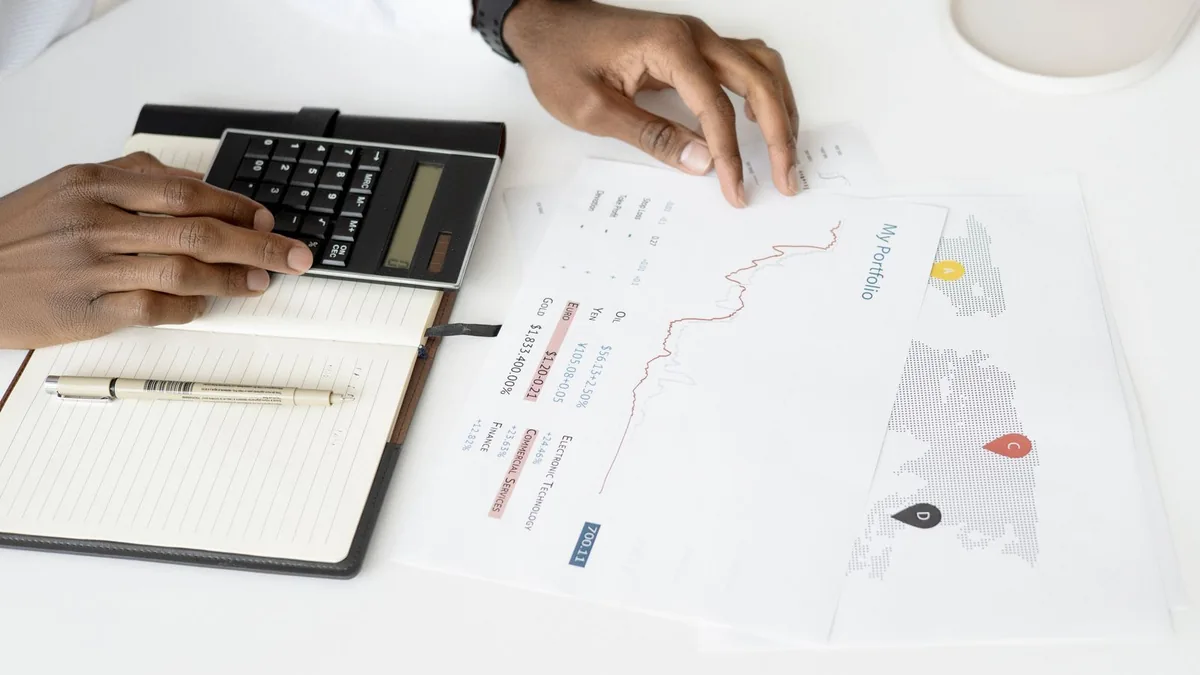
Investing for Beginners: A Complete US Guide in 2026
How to start investing in the US in 2026: which account to open first, why index funds beat most stock picking, how much you need, and the order of steps.
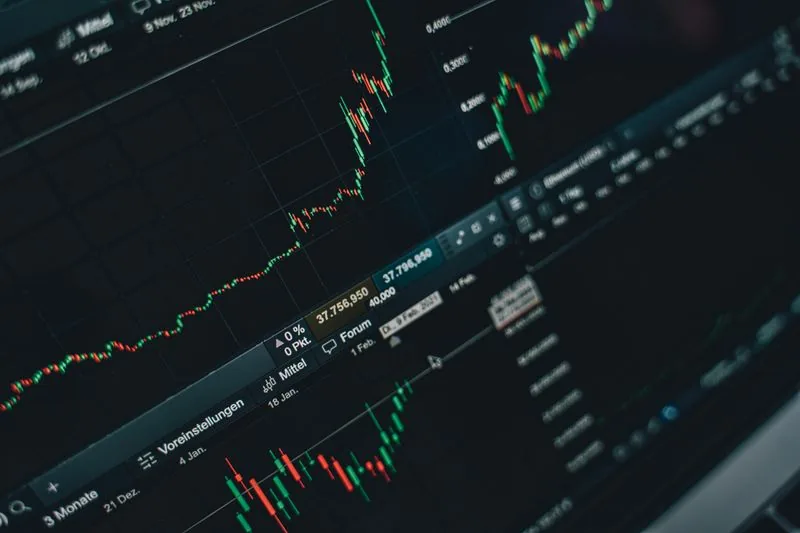
Index Funds vs ETFs in 2026: Which Should You Choose?
Index funds vs ETFs in 2026: fees, minimums, trading, and taxes, plus which one fits your situation, in plain English.
Dollar-Cost Averaging Explained: The Boring Strategy That Beats Most Traders
What dollar-cost averaging is, why it works, and how to automate it in 2026. It is the closest thing investing has to a cheat code.