Security & Wallets
2 articlesAbout this category
Short answer: your crypto is only as safe as your recovery phrase and your habits. Keep long-term holdings in a wallet where you control the keys, keep the recovery phrase offline and never typed into a website, and treat every message that creates urgency as an attack until you have verified it through a channel you chose yourself.
Who it’s for: anyone holding crypto at any level. Experienced traders still lose money to scams they were sure they would spot, because the patterns keep changing while the target stays the same.
Where does crypto actually get stolen?
Almost never by breaking the cryptography. Losses come from the gap between the technology and the person using it. The most common route is phishing: a fake login page, a fake wallet extension, or a message that looks like it came from a platform you use. Next comes social engineering, where someone builds a relationship over weeks before asking for a “test transaction” or a seed phrase recovery. Clipboard malware quietly replaces the address you copied with the attacker’s own. SIM swaps take over your phone number and then your SMS-based two-factor codes. Fake support accounts work the direct message channels of every platform. Approval scams persuade you to sign a transaction that hands over spending rights on your wallet, which stays valid until you revoke it. Exchange failures and freezes sit in a different category: nothing was hacked, but your balance was a claim on a company that stopped paying. Each route has a defence, and none of them is a complicated one.
How should you store a long-term holding?
| Storage | Who holds the keys | Best for | Main risk |
|---|---|---|---|
| Exchange account | The company | Small amounts you trade often | Platform failure, freeze, or breach |
| Phone wallet (hot) | You | Spending and everyday use | Malware, lost device, fake apps |
| Hardware wallet (cold) | You | Anything held for months or years | Losing the recovery phrase, not the device |
| Backup written down | You | Recovering a wallet | Theft or fire if it is stored in one place |
| Multisignature setup | You and co-signers | Larger balances, shared control | Complexity and losing one key too many |
The pattern is simple. The more control you hold, the more responsibility you carry, and the two cannot be separated. A hardware wallet does not make you safe on its own. If you photograph the recovery phrase, store it in a password manager, or type it into a support chat, the device is decoration. Write the phrase on paper or metal, keep it somewhere you would keep a passport, and accept that losing it means losing the coins. A short test withdrawal, sent and confirmed before a large deposit, is the cheapest insurance in this category.
Which habits make you a hard target?
- Use an authenticator app or a hardware key for two-factor authentication. SMS codes can be intercepted through a SIM swap, and that path is used constantly.
- Never enter a recovery phrase anywhere except the device that generated it. No legitimate support agent, giveaway, or website will ask for it.
- Reach platforms by typing the address or using a bookmark. Search results and adverts are a normal delivery route for phishing pages.
- Verify the address on your screen, not just the one you copied. Clipboard malware depends on you not looking.
- Treat urgency as a signal. Real platforms do not need your answer in five minutes, and pressure is the oldest tool in the scam toolkit.
- Revoke old token approvals on wallets you have used for years. Approval scams stay open until they are closed.
- Separate holdings. Money you trade can sit on a platform, and money you keep should not.
- Run one small withdrawal end to end before you trust a new platform with a large balance.
Where can you verify this yourself?
- Bitcoin.org: secure your wallet: the practical checklist for keys, backups, and wallet hygiene.
- FBI Internet Crime Report (IC3): complaint data that shows how much of the loss is social, not technical.
- CFTC customer advisories on virtual currency: regulator warnings on exchanges, leverage, and recovery scams.
- Chainalysis Crypto Crime Report: annual data on how stolen funds move after a breach.
Start with these guides
- Spot Crypto Scams: How to Avoid Them: the recurring patterns, with real examples
- Are Crypto Exchanges Safe?: what “safe” actually means for a platform that holds your coins
- How to Buy Bitcoin Safely in 2026: security built into the buying process
- What Is Bitcoin?: understand what you are protecting
- How to Buy Crypto: The Complete Beginner’s Walkthrough: from account to wallet, step by step
If something feels urgent, it is probably a scam. This category shows you why.
Reviewed by Hasan Şentürk, FinanceTrekker editor. Last updated: 1 October 2026.
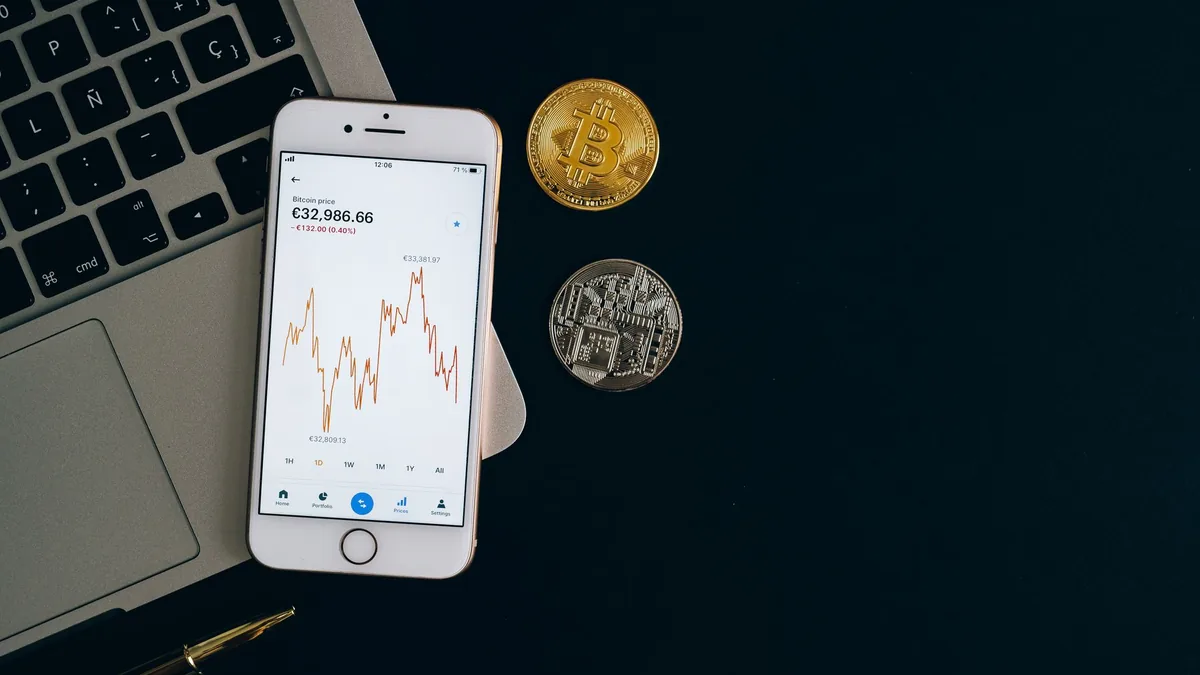
Are Crypto Exchanges Safe? Custody Risk and What Protects You
Crypto held on an exchange is not covered by SIPC, and a platform failure can leave you as an unsecured creditor. Here is what to verify before you deposit.
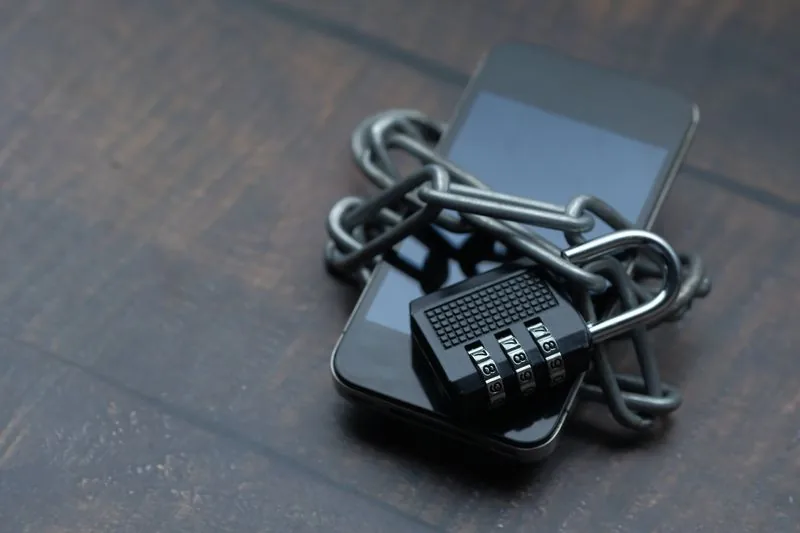
How to Spot a Crypto Scam: 9 Red Flags That Save Your Money
The 9 patterns behind almost every crypto scam (giveaways, fake support, guaranteed returns) and how to check any offer in 60 seconds.