Taxes & Legal
4 articlesAbout this category
Short answer: In the United States, crypto is treated as property, so selling, trading or spending it for something else is a taxable event, and you owe tax on the gain rather than on the whole amount you received. Buying and holding is not taxable. Moving coins between your own wallets or accounts is not taxable. What you owe depends on cost basis, the price you paid plus fees, subtracted from what you received. Income from mining, staking or being paid in crypto is ordinary income at the fair value on the day you got it, and that value then becomes your cost basis. Records do the heavy lifting: without dated prices and fees, the numbers cannot be reconstructed later. This page maps the rules, then points you to the official sources so you can check them yourself.
What counts as a taxable event?
Selling crypto for cash, trading one coin for another, and paying for goods or services with crypto are all disposals, and each one produces a gain or a loss. The part people get wrong is the trade: swapping Bitcoin for another coin is still a disposal, even though no cash reaches your account.
Buying and holding produces nothing to report. So does moving assets between wallets you control, as long as you keep ownership. Income is different again: mining rewards, staking rewards and payment received in crypto are reported as income when you receive them, at the market value of that moment.
Which situation needs which form?
| Situation | What you report | Form |
|---|---|---|
| Selling crypto for cash | Capital gain or loss | Form 8949 and Schedule D |
| Trading one coin for another | Capital gain or loss on the disposal | Form 8949 and Schedule D |
| Buying and holding | Nothing, not a taxable event | None |
| Moving between your own wallets | Nothing, ownership does not change | None |
| Mining, staking or payment in crypto | Ordinary income at fair value | Schedule C or other income |
| Spending crypto on goods | Capital gain or loss on the disposal | Form 8949 and Schedule D |
What records should you keep?
Keep the date of every acquisition and disposal, the amount, the fair market value in dollars at that moment, the fees you paid, and which wallet or exchange it moved through. Cost basis is built from those entries, and a missing purchase price is the most common reason a simple tax return turns into a long one. Exchanges issue summaries, but they do not always cover transfers between platforms, so your own records stay the reference.
Where can you verify this yourself?
These are official sources. Each one covers a different part of the picture.
- IRS: Digital Assets: the primary guidance on how digital assets are taxed and reported in the United States
- US Treasury: Tax Policy: the policy context behind the rules, including reporting initiatives for digital assets
- Federal Reserve: FAQs: plain answers on money, payments and how the central bank describes digital assets
Start with these guides
- US Crypto Tax Rules Explained: what is taxable, what is not, and how to report it
- What Is Bitcoin?: the foundation for understanding what you hold
- Fed Rate Decisions Explained: why rates matter for your wider financial picture
Reviewed by Hasan Şentürk, FinanceTrekker editor. Last updated: 1 October 2026. Educational content only, not tax or legal advice.
Crypto Tax Loss Harvesting, Explained
How crypto tax loss harvesting works: offset gains with realized losses, the $3,000 rule, the missing wash sale, and a step-by-step example.
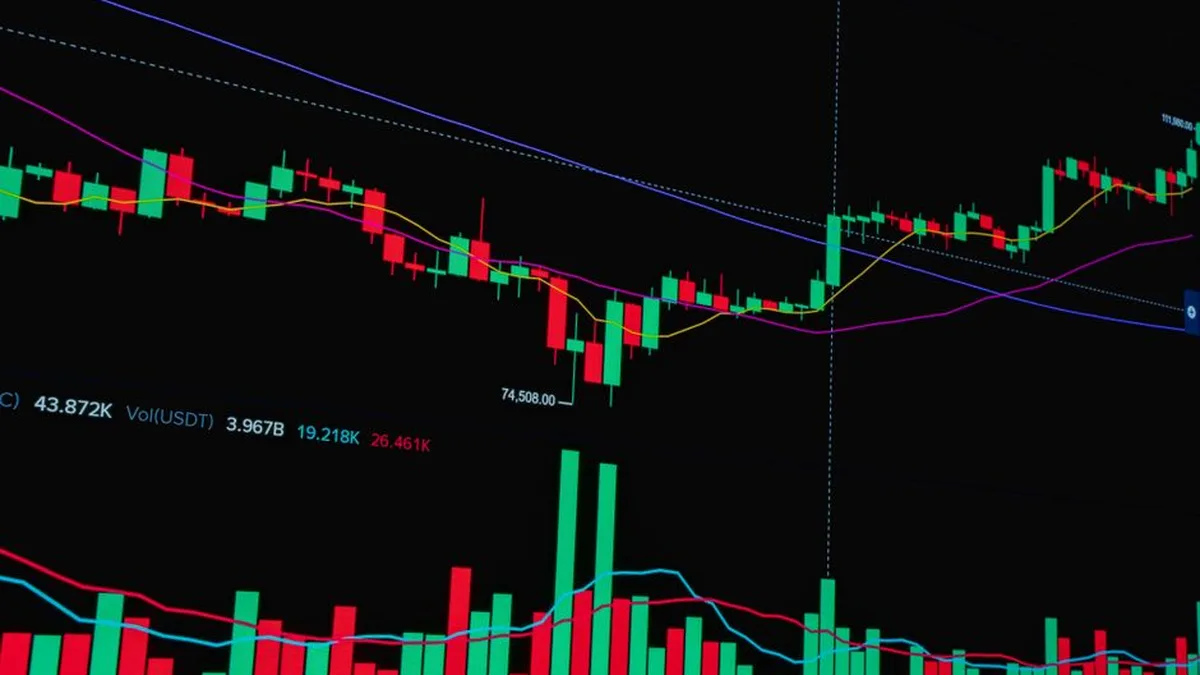
How to Calculate Crypto Capital Gains
How crypto capital gains work in the US: short-term vs long-term rates, cost basis methods, real calculation examples, and Form 8949 reporting.
How Crypto Taxes Work in the US (2026 Guide)
How crypto taxes work in the US for 2026: what counts as a taxable event, how to calculate capital gains, and what to report on Form 8949.
US Crypto Tax Rules: What You Must Report in 2026
The US crypto tax rules that matter: when you owe tax, how capital gains work, what counts as a taxable event, and the mistakes that trigger audits.